

Behind the Scenes: Full System Evaluation
Behind the scenes, your HVAC system is constantly working but when was the last time it was professionally inspected? Most homeowners do not think about it until something goes wrong, which often leads to higher repair costs, poor performance, or even a complete system breakdown. A professional HVAC inspection is not just routine maintenance. Instead, it is a detailed process designed to catch problems early, improve efficiency and keep your home comfortable year round, as recommended by the U.S. Department of Energy, especially here in San Diego where your system works hard almost every day.
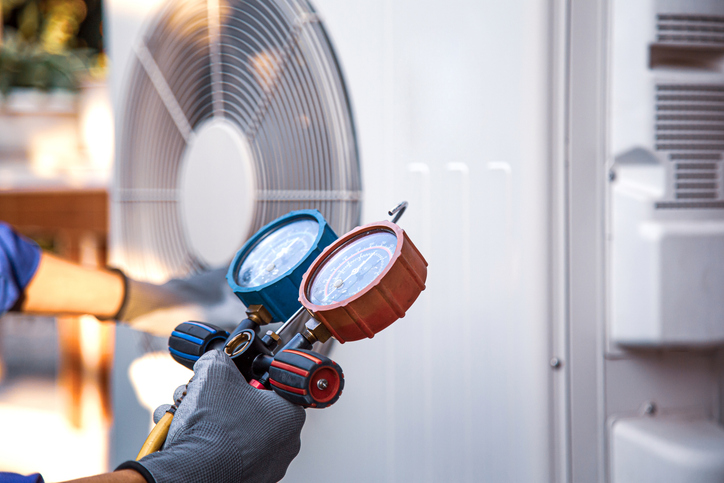
Behind the Scenes: How HVAC Inspections Protect Your San Diego Home
Your HVAC system is one of the most important systems in your home. However, without regular inspections, small issues can quickly turn into expensive repairs.
Routine HVAC inspections help
Prevent unexpected breakdowns
Lower energy bills by improving efficiency
Extend the lifespan of your system
Keep your home safe and comfortable
According to ENERGY STAR, proper HVAC maintenance can improve efficiency and reduce energy costs over time. In San Diego’s climate, where systems run frequently, skipping maintenance can cost you more in the long run. Because of this, routine inspections become even more important.
Behind the Scenes: What Happens During an HVAC Inspection
Here is what actually happens when a trained technician inspects your system.
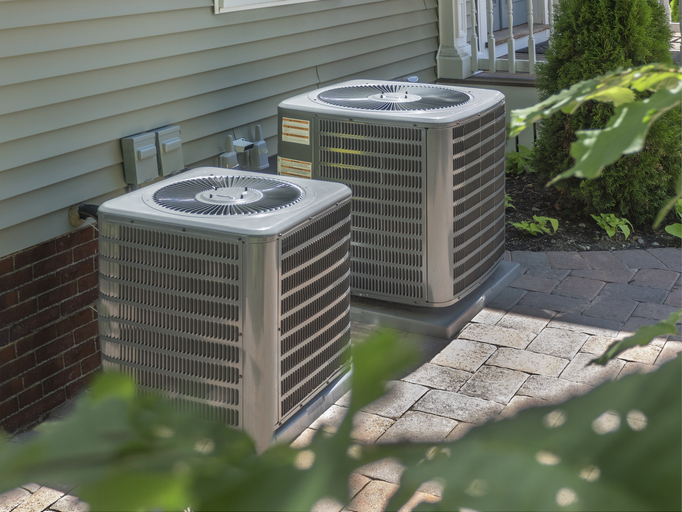
1. Behind the Scenes: Full System Evaluation
Every inspection starts with a complete overview of your system.
Your technician will
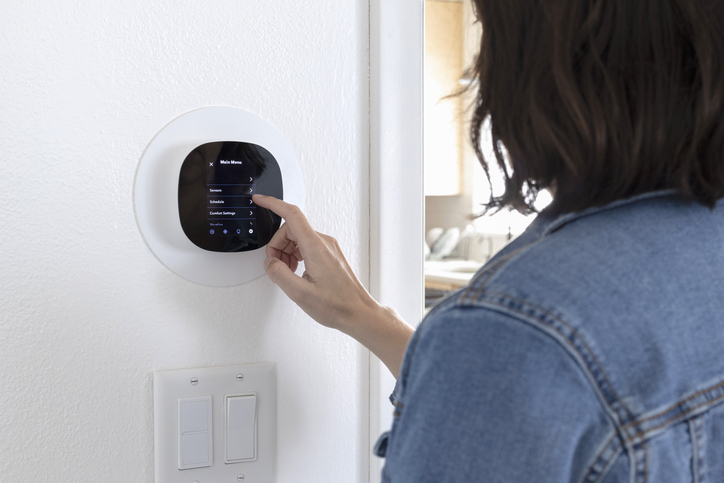
Check thermostat operation and calibration
Verify system startup and shutdown cycles
Evaluate overall system performance
This step helps identify any immediate issues and sets the baseline for the rest of the inspection. As a result, technicians can better diagnose potential problems early, following industry standards from the Air Conditioning Contractors of America
2. Inside the Inspection Airflow and Temperature Testing
Airflow problems are one of the most common causes of inefficiency.
During this step your technician will
Measure the temperature split between supply and return air
Check for restricted airflow
Identify uneven cooling or heating
Poor airflow can be caused by dirty filters clogged coils or ductwork issues.
3. A Closer Look at Electrical Component Inspection
Your HVAC system relies on multiple electrical components to function properly.
- The technician will inspect-
- Capacitors
- Contactors
- Wiring and electrical connections
- Voltage and amperage levels
Worn or failing electrical parts are a leading cause of system breakdowns.
4. How Technicians Check Refrigerant Levels
If your system uses refrigerant it must be at the correct level to operate efficiently.
This includes
– Checking refrigerant pressure
– Inspecting for leaks
– Ensuring proper cooling performance
Low refrigerant can cause your system to freeze up or struggle to cool your home.
5. Inside the Coil and Component Inspection Process
Your system’s coils play a major role in efficiency.
During this step:
1.Evaporator and condenser coils are checked for dirt and buildup
The outdoor unit is inspected for debris or blockages
The blower motor and fan are evaluated
Dirty coils can significantly increase energy usage and reduce system performance.
6. Safety Checks You Do Not See During an Inspection
Safety is one of the most important parts of any HVAC inspection.
Your technician will
Check for gas leaks if applicable
Inspect the heat exchanger for cracks
Ensure proper ventilation
Verify safe operation of all components
These checks help protect your home and your family.
7. Final Testing and Recommendations After Inspection
After the inspection is complete your technician will
Run the system to confirm proper operation
Review findings with you
Recommend any necessary repairs or maintenance
You will get a clear understanding of your system’s condition and what needs attention.
What Most Homeowners Do Not Realize
HVAC problems do not usually happen overnight. Instead, they build up over time.
For example, a weak capacitor, dirty coil, or low refrigerant level might not cause immediate failure. However, it will eventually lead to higher energy bills, reduced comfort, and unexpected breakdowns, as explained by the U.S. Department of Energy
That is why routine inspections are one of the smartest investments you can make as a homeowner.
How Often Should You Schedule an HVAC Inspection
For most homes in San Diego, we recommend scheduling an HVAC inspection at least once per year. Ideally, it should be done twice per year before summer and before winter.
This way, your system stays efficient, reliable, and ready when you need it most.
Schedule Your HVAC Inspection Before Problems Start
If your HVAC system has not been inspected in the last year there is a good chance small issues are already developing behind the scenes.
At Comfort City Mechanical we do not just do quick checkups. We perform thorough honest inspections to make sure your system is running safely efficiently and reliably when you need it most.
Instead of waiting for a breakdown, it is best to take action early.
Call today to schedule your HVAC inspection and keep your home comfortable year round.


