

Hot Water Running Out: What San Diego Residents Should Know
Hot water running out can be frustrating, especially when you step into the shower expecting hot water only for it to suddenly turn cold.
If your home keeps running out of hot water, the problem is usually not random. In many cases, it’s a sign that your water heater is struggling to keep up with demand or may need maintenance.
Understanding the cause can help prevent larger plumbing problems and ensure your home has reliable hot water when you need it.
Here are the most common reasons homeowners experience hot water shortages.
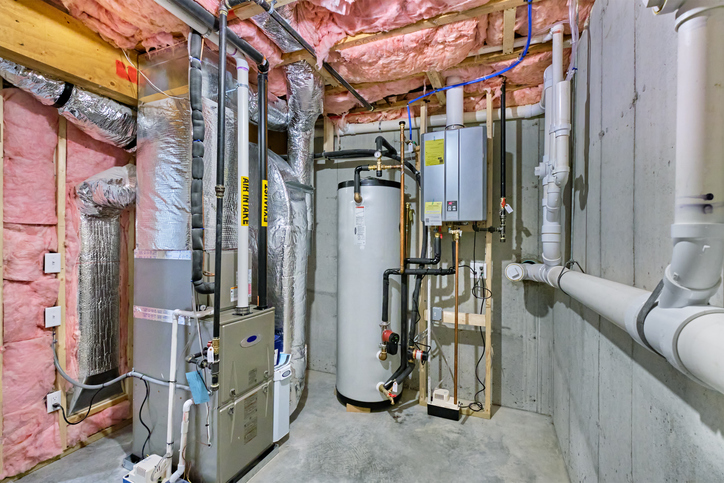
1. Hot Water Running Out Because the Water Heater Tank Is Too Small
Many homes have water heaters that are undersized for the number of people living in the household. Choosing the correct tank size is important to ensure your system can meet daily demand. The Department of Energy provides guidance on sizing a new water heater to help homeowners choose the right system for their household.
If multiple showers, laundry loads, or dishwashers are running at the same time, the tank can empty faster than it can refill and reheat.
Common signs include:
• The last person to shower gets cold water
• Hot water runs out quickly in the morning
• Waiting 30 to 40 minutes restores hot water
Upgrading to a properly sized water heater or installing a tankless system can solve this issue.
2. Hot Water Running Out Due to Sediment Buildup in the Tank
Over time, minerals in the water supply can settle at the bottom of the tank, creating a sediment layer that reduces heating efficiency and limits the amount of hot water available.
Signs of sediment buildup include:
• Rumbling or popping noises from the tank
• Hot water running out sooner than it used to
• Increased energy bills
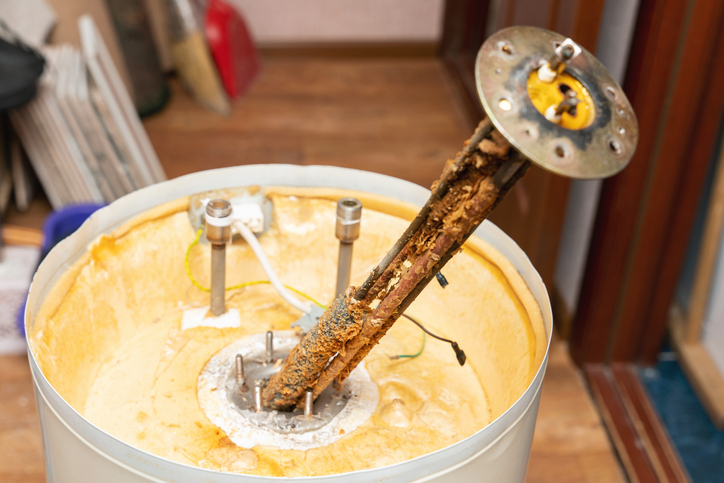
Routine water heater maintenance and flushing can remove sediment and restore system performance. Homeowners can learn more about flushing a water heater to help prevent sediment buildup.
3. A Failing Heating Element or Burner
Electric water heaters rely on heating elements, while gas water heaters use burners to heat the water.
If these components begin to fail, the system may not produce enough hot water to meet your household’s needs. Issues like a faulty heating element or burner malfunction can prevent water heaters from properly heating water.
Common symptoms include:
• Lukewarm water instead of hot
• Water temperature fluctuating
• Hot water turning cold mid shower
A professional inspection can identify whether a repair or replacement is needed.
4. Your Water Heater May Be Aging
Most traditional tank water heaters last between 8 and 12 years, depending on maintenance and water quality. Regular water heater maintenance can help extend the lifespan of the system and prevent premature failure.
Other signs of an aging water heater include:
• Rust around the tank
• Leaks or corrosion
• Increasing repair costs
Replacing an older system can improve energy efficiency and provide a more consistent hot water supply.
5. A Tankless Water Heater May Be a Better Long Term Solution
Tankless water heaters heat water on demand instead of storing it in a tank. 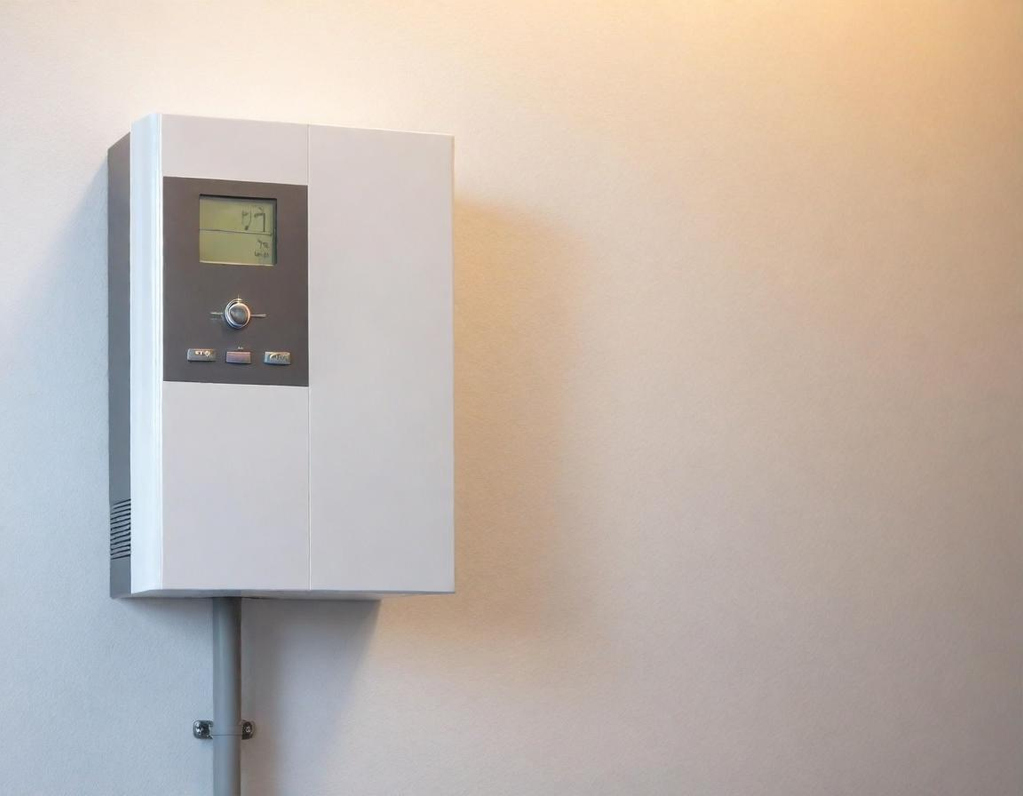
This allows them to provide a continuous supply of hot water without running out during showers, laundry, or other household activities.
Many homeowners choose tankless systems for their:
• Energy efficiency
• Compact design
• Endless hot water capability
Restore Reliable Hot Water in Your Home
If your home frequently runs out of hot water, the issue may be a sign that your water heater needs maintenance, repair, or replacement.
Addressing the problem early can help prevent unexpected breakdowns and ensure your home always has reliable hot water when you need it.
If you’re experiencing hot water problems, the team at Comfort City Mechanical can help diagnose the issue and recommend the right solution for your home.
Schedule service online today to have a licensed technician inspect your water heater and restore reliable hot water to your home.


