

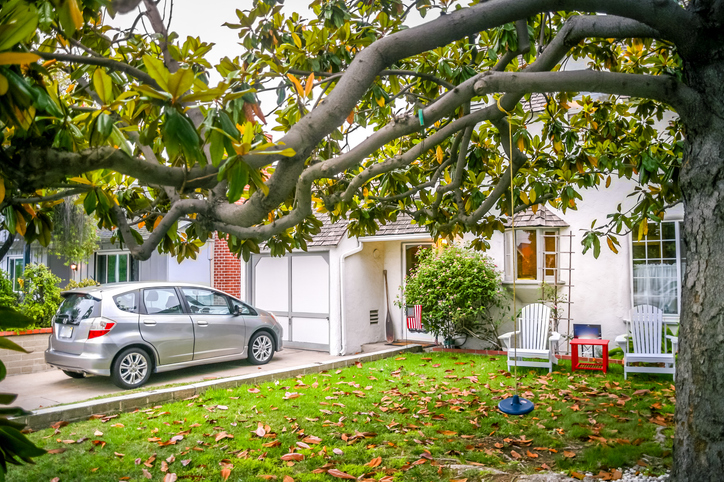
Hidden comfort problems are common in many older homes throughout San Diego’s beautiful, well-established neighborhoods filled with charming and historic houses. While older homes often have unique character and craftsmanship, they can also hide comfort and efficiency challenges that homeowners may not immediately notice. Older homes HVAC San Diego systems and plumbing infrastructure frequently experience wear over time, which can lead to uneven temperatures, reduced airflow, rising utility bills, and unexpected repairs.
Understanding the hidden comfort problems older homes face can help homeowners protect their investment, improve efficiency, and maintain reliable heating, cooling, and plumbing performance year-round.
Hidden Comfort Problems Caused by Aging HVAC Systems
Many aging HVAC systems San Diego homeowners rely on were designed using outdated technology and efficiency standards. As systems age, they often struggle to keep up with modern comfort expectations and energy demands.
Older HVAC systems commonly experience reduced airflow, inconsistent temperature control, and increased strain on components. Homeowners may notice certain rooms feeling warmer or cooler than others, longer system run times, or unusual noises during operation. These warning signs often indicate that the system is working harder than it should, which can increase energy consumption and shorten equipment lifespan.
Older ductwork can also contribute to efficiency problems. Over time, ducts may develop leaks, restrictions, or insulation deterioration, allowing conditioned air to escape before reaching living spaces. This notonly reduces comfort but also forces HVAC systems to work harder to maintain indoor temperatures.
Upgrading or maintaining older HVAC equipment can significantly improve airflow, energy efficiency, and overall system reliability while helping homeowners avoid costly emergency repairs.
Hidden Comfort Problems Linked to Plumbing
Plumbing problems older homes San Diego residents encounter are often caused by aging pipes, outdated materials, and gradual wear from decades of use. While plumbing systems are built for durability, older infrastructure may eventually develop hidden issues that affect water pressure, water quality, and overall reliability.
Common plumbing concerns in older homes include pipe corrosion, mineral buildup, hidden leaks, and reduced water flow. Corroded pipes can restrict water movement and sometimes lead to discolored water or inconsistent pressure throughout the home. Mineral buildup is especially common in areas with hard water and can slowly narrow pipe interiors, reducing performance over time.
Hidden leaks are another frequent issue in older homes. Small leaks behind walls or under flooring can go unnoticed until they cause water damage, mold growth, or increased water bills. Routine inspections and preventative maintenance help homeowners detect plumbing concerns early before they escalate into costly repairs.
Modern plumbing upgrades can improve water efficiency, increase reliability, and enhance overall home comfort by ensuring consistent water flow and dependable hot water availability.
Hidden Comfort Problems Related to Poor Airflow and Ventilation
Older homes were often built with different design standards than modern houses, which can contribute to airflow and ventilation issues. Many older properties lack proper return air pathways, updated insulation, or balanced duct systems, which can create uneven heating and cooling throughout the home.
Poor airflow can cause rooms to feel stuffy, drafty,or difficult to maintain at a comfortable temperature. Homeowners may find themselves constantly adjusting thermostats or using portable fans and space heaters to compensate for airflow limitations. According to the U.S. Environmental Protection Agency, inadequate ventilation and restricted airflow can allow indoor pollutants to build up while preventing fresh air from properly circulating throughout the home.
Improving airflow often involves evaluating ductwork design, sealing air leaks, upgrading insulation, and ensuring HVAC systems are properly sized for the home. These improvements help maintain consistent indoor temperatures while supporting energy efficiency and overall system performance.
Rising Energy Costs and Reduced Efficiency
One of the most noticeable signs of aging HVAC systems San Diego homeowners experience is increasing energy bills. Older equipment typically consumes more energy to produce the same level of heating or cooling compared to modern high-efficiency systems. According to ENERGY STAR, heating and cooling account for a significant portion of a home’s energy use, and upgrading to energy-efficient equipment can lower energy consumption because newer systems are designed to operate with improved performance and reduced energy waste.
As components wear down and airflow becomes restricted, systems must run longer and more frequently to maintain desired temperatures. This added strain increases energy usage while also accelerating equipment wear.
Home comfort upgrades San Diego homeowners invest in, such as high-efficiency HVAC systems, smart thermostats, and duct sealing, can significantly reduce energy consumption while improving indoor comfort and temperature consistency.
The Importance of Preventative Maintenance for Older Homes
Preventative maintenance plays a crucial role in protecting older homes from hidden comfort problems. Regular inspections allow technicians to identify worn components, airflow restrictions, and plumbing concerns before they develop into major repairs.
Routine HVAC maintenance helps ensure proper system operation, improves efficiency, and extends equipment lifespan. Plumbing inspections help detect corrosion, leaks, and water pressure concerns that can impact reliability and home safety.
Proactive maintenance also helps homeowners plan for future upgrades by identifying aging equipment early, allowing them to schedule replacements before system failure occurs.
Modern Upgrades That Improve Comfort and Reliability
Home comfort upgrades San Diego homeowners choose can transform the performance and efficiency of older homes. Modern HVAC technology offers improved energy efficiency, quieter operation, and better temperature control compared to older systems.
Updated ductwork and airflow balancing help distribute conditioned air evenly throughout the home. Plumbing upgrades improve water efficiency, increase water pressure consistency, and reduce the risk of unexpected leaks.
Smart home technology also allows homeowners to monitor and control indoor comfort more effectively while helping reduce energy usage and operational costs.
Signs Your Older Home May Need HVAC or Plumbing Upgrades
Homeowners living in older homes should watch for early warning signs that indicate potential comfort system concerns. These signs often include:
• Uneven temperatures between rooms
• Rising energy or water bills
• Reduced airflow from vents
• Inconsistent water pressure
• Frequent system repairs
• Unusual noises from HVAC equipment
• Aging equipment approaching the end of its lifespan
Addressing these signs early helps homeowners avoid unexpected breakdowns while maintaining reliable indoor comfort.
Protecting Comfort in San Diego’s Older Homes
Older homes provide character and charm, but maintaining comfort and efficiency requires attention to aging HVAC and plumbing infrastructure. With proper maintenance, timely upgrades, and professional inspections, homeowners can preserve their home’s reliability while improving overall comfort and energy efficiency.
Schedule a Comfort Evaluation Today
If your older home struggles with comfort, airflow, or plumbing reliability, Comfort City Mechanical is here to help. Our experienced team provides expert inspections, maintenance, and system upgrades designed to improve efficiency and long-term performance.
Call (888) 542-6262 or schedule a consultation online to learn how we can improve your home comfort.
Built for Comfort. Delivered with Care


